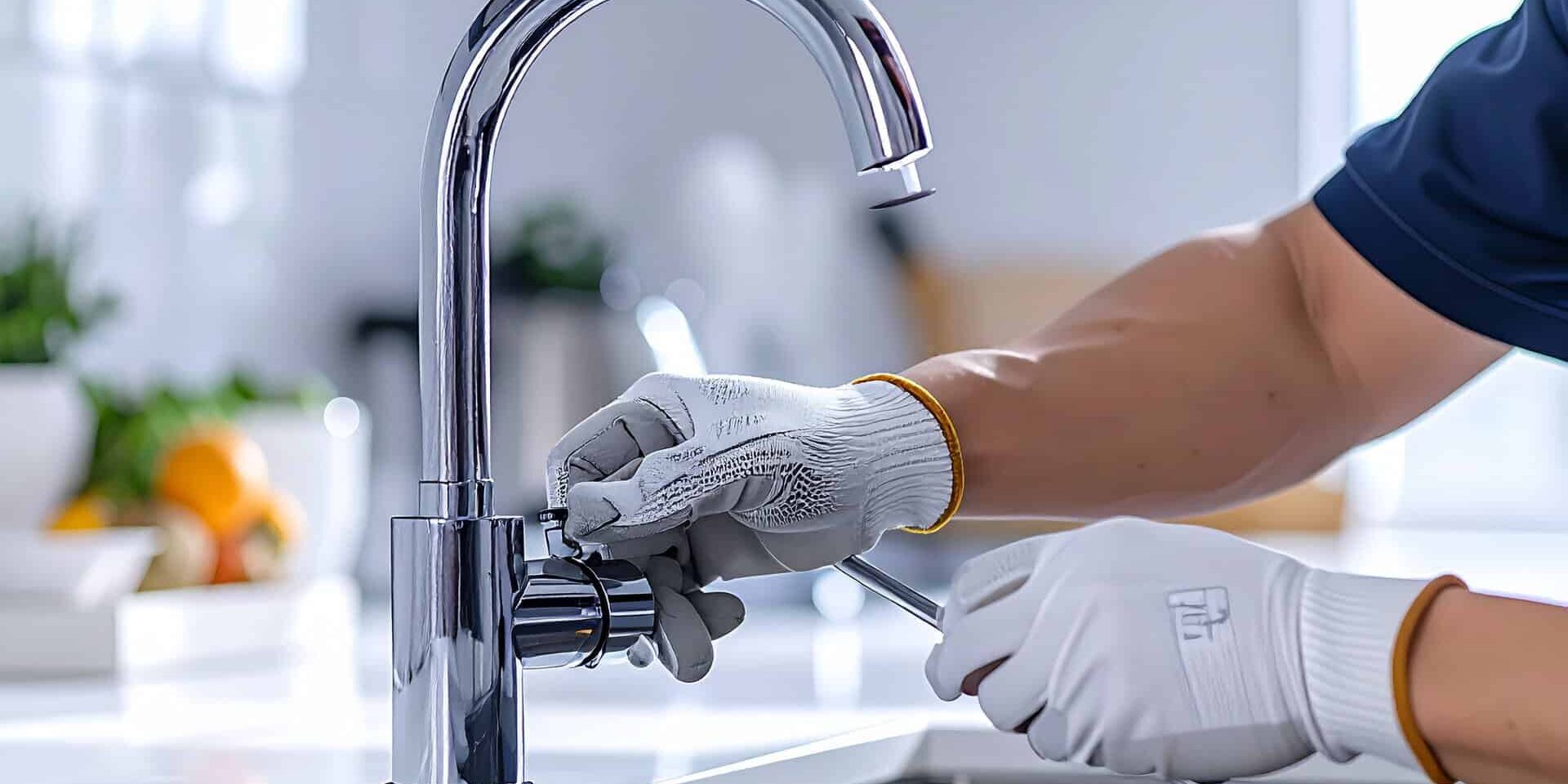
At first, not every plumbing problem seems urgent.
A leak might just look like a small wet spot at first. A slow drain can be annoying but easy to ignore. Even a broken fixture might seem like something you can put off until tomorrow. That is why many homeowners hesitate before calling an emergency plumber. They often wonder whether the problem needs urgent attention or can wait for a regular repair.
This uncertainty is important because emergency plumbing and standard repairs are not the same. Response times, costs, and what happens during the visit can all vary. In this guide, we will explain what counts as an emergency, what you might pay, how quickly a good plumber can respond, and when it makes sense to wait.
What Actually Counts as a Plumbing Emergency?
A plumbing emergency is usually any issue that is actively damaging the home, creating a health risk, or leaving the property without a critical utility.
Burst pipes, major leaks, sewage backups, gas smells, and frozen or ruptured pipes are all common examples. If water is leaking, pooling, or flooding, it is usually time to treat the situation as urgent rather than wait for a normal appointment.
The key difference is not whether the problem is annoying but whether it is getting worse now. City guidance on burst pipes emphasizes immediate shutoff because fast action can prevent costly flood damage. That is a good rule of thumb for homeowners too. If the issue can damage flooring, drywall, cabinets, or belongings while you wait, it is an emergency.
Standard plumbing repair, by contrast, usually covers problems that are important but not actively causing damage. A slow drip, a fixture issue, or a drain that is not yet backed up may still need attention, but it usually does not require a middle-of-the-night response. That is the difference between a situation that needs immediate damage control and one that can be scheduled more calmly.
How Emergency Plumbing Differs From Standard Plumbing Repair
The biggest difference between emergency plumbing and standard plumbing repair is not the repair itself. It is the response time.
When you call for emergency plumbing, the goal is to address a problem that cannot safely wait. The focus is on getting a reliable plumber out as quickly as possible, stopping further damage, and stabilizing the situation before it gets worse.
Standard plumbing repair works differently. Because the issue is not causing immediate damage, the appointment can usually be scheduled during normal business hours. That gives both the homeowner and the plumber more flexibility.
In many cases, the repair itself may be very similar. The difference is that emergency plumbing is designed around urgency, while standard plumbing repair is designed around convenience and planning.
Why Emergency Plumbing Costs More
One of the first things homeowners notice when comparing emergency plumbing to standard plumbing repair is the price. Emergency services usually cost more because you are paying for immediate availability, after-hours labor, and priority response, rather than a scheduled visit.
Emergency plumbing often runs around $100 to $500 per hour, with some jobs costing more depending on timing and complexity. Emergency rates are commonly 1.5 to 3 times higher than standard hourly plumbing rates.
That higher cost is not just about the repair itself. It reflects the fact that a plumber is being asked to respond outside normal business hours, sometimes on a weekend or holiday, and rearrange the schedule to handle a problem that cannot wait. What you are paying for is the faster response and the disruption that comes with it.
The type of problem also affects the bill. A burst pipe, major leak, or sewer backup often takes more labor and more time than a standard visit, especially once the issue has already caused damage. That is why the final cost can move up quickly when the situation is active, not just inconvenient.
How Fast Can an Emergency Plumber Get There?
Response time is another major difference between emergency plumbing and standard plumbing repair. Emergency service is designed for fast dispatch, but the actual arrival time depends on the severity of the problem, the time of day, weather, traffic, and how many calls are already waiting.
That is why it helps to think in terms of urgency rather than exact minutes. If water is actively leaking or damage is spreading, waiting for a standard appointment is usually not the better choice. If the problem is stable and not causing further damage, there is usually more room to schedule it during normal business hours.
The real question is not only how fast someone can come. It is how much worse the problem could become while you wait. If the answer is “a lot worse,” that is usually the point where emergency plumbing makes sense.
What to Expect When the Plumber Arrives
When an emergency plumber arrives, the first goal is usually to stop the problem from getting worse. That may mean shutting off the water, isolating the source of the leak, or stabilizing the area before any full repair begins. In a true emergency, damage control comes first.
A homeowner can also make the visit go more smoothly by knowing where the main shutoff valve is before help arrives. City guidance on burst pipes emphasizes shutting off the main water line quickly to prevent more damage, and that same step can make a major difference in a home emergency.
It is also useful to understand that an emergency visit may focus on stabilization first and permanent repair second. Sometimes the plumber can finish everything in one visit. Other times, the first call is about making the situation safe and scheduling the full repair once the immediate damage is under control.
When to Call Now and When to Schedule Later
Not every plumbing problem requires an emergency visit, but some situations are difficult to safely postpone.
Consider calling for emergency plumbing when you are dealing with:
- Active leaks, pooling water, or flooding that could damage the home.
- A burst pipe or a water line that will not shut off.
- A sewer backup that creates a health or sanitation concern.
- A major drain blockage is affecting multiple fixtures in the home.
- A gas smell near plumbing-related equipment or gas lines.
- A complete loss of water when the cause is unknown and affects the household.
A standard plumbing repair is usually the better option when the issue is important but stable, such as:
- A slow drain that is still functioning.
- A dripping faucet or minor leak that is contained.
- A fixture repair or replacement.
- A plumbing issue that is not actively causing damage or disrupting essential use.
That is the decision most homeowners are trying to make. Emergency plumbing is designed for situations where waiting could make the problem worse. Standard plumbing repair is designed for issues that still allow time to plan the repair properly.
Knowing the difference helps you respond appropriately without delaying a problem that needs attention or paying for emergency service when a scheduled visit would be enough.
The Right Response Depends on the Situation
Emergency plumbing and standard plumbing repair can both solve the problem, but they serve different purposes. One is built for immediate protection. The other is built for a scheduled repair that still has time. The cost, response time, and experience all change because the urgency changes.
If you are not sure which one you need, it is better to ask than guess. A local plumber can help you decide whether the issue needs immediate attention or can be scheduled without putting the home at risk. That is often the most reliable way to protect both your time and your budget.
At Home Heroes Plumbing Heating & Air, we help homeowners determine whether they are dealing with an emergency plumbing issue or a standard plumbing repair, and respond with the appropriate level of urgency. If you are unsure what your next step should be, give us a call, and we will help you sort it out.

At Home Heroes Plumbing, Heating & Air, we're parents, homeowners, and neighbors first. We know what it’s like to have a broken AC in the middle of summer or no hot water when you need it most.
Topics Covered
Schedule Service
"*" indicates required fields