
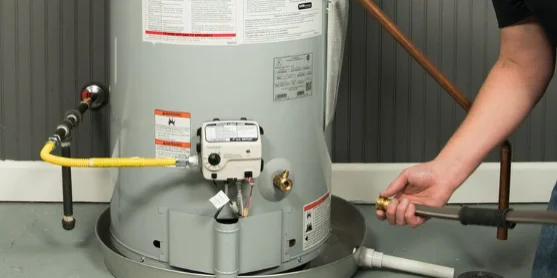
The hardest part about a leaking water heater is not knowing whether it is something small or something serious.
There is water on the floor. The unit has been running fine. Nothing changed. And now you are trying to figure out whether this is a quick fix or the start of a much bigger conversation.
Most leaks do have a specific cause, and some are far simpler to address than they look. The difference between a minor repair and a failing unit usually comes down to where the leak is and what is behind it.
Before deciding what to do next, it helps to understand what the leak is actually telling you.
Where the Leak Is Coming From Changes Everything
The location of a water heater leak is the first and most important clue about how serious the problem actually is.
Not all leaks carry the same weight. A drip from a loose connection at the top of the unit is a different situation from water pooling at the base. Before any repair decision is made, the source needs to be identified.
-
Leaks from the top of the unit
Water appearing at the top of the tank usually points to the inlet and outlet connections, which are the pipes that bring cold water in and carry hot water out. These connections can loosen over time, especially in homes where water pressure runs high. In most cases, tightening or resealing them resolves the issue without major intervention.
-
Leaks from the bottom of the unit
Water at the base deserves more attention. It can come from the drain valve, which is a small valve near the bottom used for flushing the tank. If the valve is worn or slightly open, it drips steadily. That is usually a straightforward fix. But water at the bottom can also point to internal tank corrosion, which is a much more serious condition and one that repair cannot reverse.
-
Leaks from the pressure relief valve
The temperature and pressure relief valve (T&P valve) is a safety component on the side of the tank. Its job is to release pressure if the tank overheats or pressure builds too high. If this valve is dripping or discharging water, it either needs to be replaced or it is doing its job because something else inside the system is wrong. Either way, it should not be ignored.
The Most Common Causes of a Leaking Water Heater
Most water heater leaks trace back to a handful of predictable causes, each with a different level of urgency and a different fix.
Knowing which cause you are dealing with is what separates a quick water heater repair from a situation that has already moved past the point of repair.
1. A faulty or aging temperature and pressure relief valve
The T&P valve is designed to open under specific conditions. When it starts leaking outside of those conditions, the valve itself has usually worn out. Replacing it is a relatively simple repair, but the job should be handled by a licensed plumber. An improperly installed T&P valve is a safety risk, not just a plumbing issue.
2. A failing drain valve
The drain valve sits near the bottom of the tank and is used when the unit needs to be flushed or serviced. Over time, the valve can wear out or fail to seat properly, causing a slow, steady drip. If the valve body itself is cracked or corroded, replacement is the right call rather than attempting to reseal it.
3. Sediment buildup inside the tank
Water carries dissolved minerals. Over the years of heating and reheating, those minerals settle at the bottom of the tank as sediment. That layer of buildup forces the unit to work harder, traps heat against the tank floor, and can eventually cause the metal to crack or weaken from the inside. A leak that develops in a tank with heavy sediment is often a sign that the unit has been under stress for longer than the leak suggests.
4. Loose inlet and outlet connections
The connections where water enters and exits the tank are under constant pressure. Vibration, thermal expansion, and age can gradually loosen these fittings. When they start to weep, the fix is often as simple as tightening the connection or replacing the fitting. A plumber can confirm whether the connection itself is the issue or whether something behind it needs attention.
5. Internal tank corrosion
This is the cause homeowners least want to hear. When the tank’s interior lining breaks down, rust penetrates the metal wall, and water leaks out. Corrosion cannot be patched or sealed from the outside. Once the tank itself is leaking, water heater replacement is the only path forward.
What You Can Do Right Now Before the Plumber Arrives
A few immediate steps can prevent a small leak from turning into water damage while you wait for professional evaluation.
Acting quickly does not mean attempting the repair yourself. It means reducing the risk while the situation is properly assessed.
- Turn off the power supply. For electric water heaters, switch off the dedicated circuit breaker. For gas units, turn the thermostat dial to the pilot setting. Do not shut off the gas line itself unless the leak is severe or you smell gas.
- Shut off the cold water supply. There is a valve on the pipe feeding cold water into the top of the tank. Turning it off stops new water from entering the unit and limits how much continues to leak out.Contain the water. Place towels or a bucket around the base of the unit. If the floor is wood or finished, get water off the surface quickly to prevent warping or staining.
- Do not drain the tank yourself unless a plumber has advised it. Draining without knowing the source of the leak can sometimes complicate the diagnosis or create additional issues with the valve.
- Note where the water is coming from. Before the plumber arrives, take a photo of the leak location and the surrounding area. That information helps the technician move faster and gives you a record of the condition before any work begins.
When Water Heater Repair Makes Sense Versus When Replacement Is the Smarter Move
Not every leak means the unit needs to go, but some causes make repair a temporary fix at best, and water heater replacement the wiser long-term investment.
The decision usually comes down to three things: the source of the leak, the age of the unit, and the overall condition of the tank.
Water heater repair is likely the right call when:
- The leak is coming from a valve, fitting, or external connection rather than the tank itself
- The unit is fewer than eight years old and has no history of repeated issuesA camera or visual inspection confirms that the tank interior is in good condition
- The repair addresses a single, isolated component rather than a systemic problem
Water heater replacement is usually the smarter move when:
- The tank itself is leaking due to internal corrosion
- The unit is ten years old or older, putting it past or near the end of its expected lifespan
- Repairs have been made before, and the same issues keep returning
- Sediment buildup is severe and has compromised the tank’s structural integrity
- The cost of repair approaches or exceeds half the cost of a new water heater installation
A reliable plumber will give you a straight answer on which side of that line your unit falls. The goal is not to push a replacement. It is to make sure the fix actually holds.
If the leak is coming from the tank itself, if you are seeing rust-colored water from your taps, or if the unit is making rumbling or popping sounds alongside the leak, get it evaluated the same day. Those signs together point to a unit under significant stress, and continued operation carries a real risk of a larger failure.
What Happens Next Depends on What You Do Now
A leaking water heater is not always an emergency. But it is always worth understanding. The cause determines whether you are looking at a quick water heater repair or a unit that has reached the end of its useful life.
The right next step is not guessing which one it is. It is getting a professional eye on the unit before the decision is made for you.
At Home Heroes Plumbing Heating & Air, we start every water heater call with a proper diagnosis.
We identify where the leak is coming from, assess the condition of the tank, and give you a straight answer on whether water heater repair or replacement makes more sense for your situation. If your water heater is leaking and you are not sure what it means, schedule a diagnostic visit and get clarity before the problem decides for you.

At Home Heroes Plumbing, Heating & Air, we're parents, homeowners, and neighbors first. We know what it’s like to have a broken AC in the middle of summer or no hot water when you need it most.
Topics Covered
Schedule Service
"*" indicates required fields